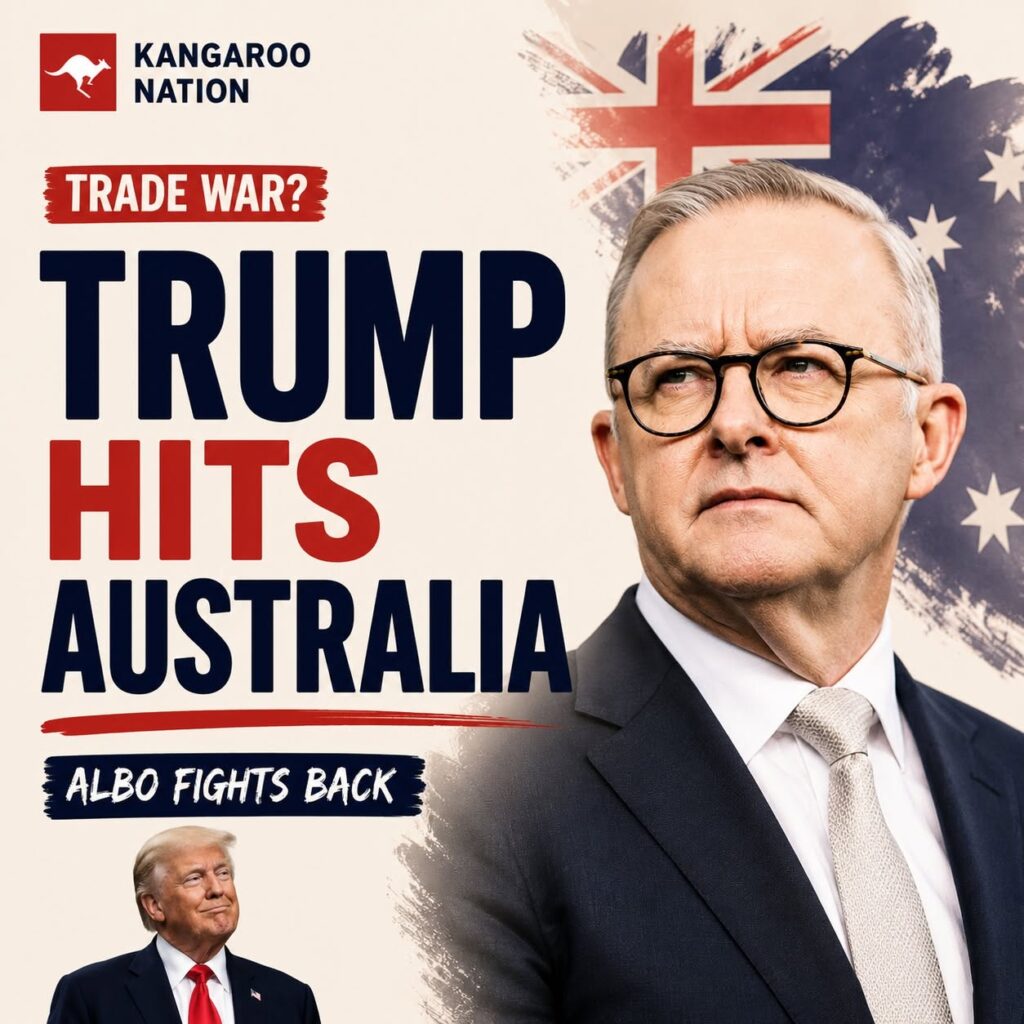
Australia has objected to a new United States tariff that lifts the rate on affected Australian imports to 12.5 per cent.
The US administration linked the measure to concerns about enforcement against forced labour in global supply chains. Australian Trade Minister Don Farrell rejected the basis for including Australia and argued the levy is inconsistent with the countries’ free-trade relationship.
Prime Minister Anthony Albanese said the government would raise the issue directly with US President Donald Trump and through other official channels. Some major Australian exports were reported to be outside the affected group, but the dispute still matters for exporters facing higher costs and uncertainty.
Tariffs are paid at the border by importers, though the cost can be shared across overseas buyers, exporters and consumers depending on contracts and market power. Even when the total national trade impact is limited, individual businesses can face serious disruption.
What happens next?
Australia’s strategy is diplomatic rather than retaliatory: challenge the justification, seek exemptions and defend access under the bilateral trade agreement. Businesses will watch for product-level guidance and any changes after government talks.
Sources: Associated Press · ABC News · Original Facebook post